
Chatea con Ava - Tu consultor de negocios IA

¡Hola, soy Ava, tu guía de IA para potenciar tu negocio!
Ya sea que dirijas una empresa o sueñes con iniciar una, estoy aquí para hacer realidad tu visión gracias a los freelancers que usan IA. Comparte los objetivos de tu negocio y juntos crearemos un proyecto en los que nuestros talentosos freelancers puedan ofertar. ¡Hagamos realidad tu visión!
Tengo un negocio
Estoy comenzando un negocio
Algo salió mal al enviar la conversación a tu correo electrónico. Por favor, intenta de nuevo más tarde.
Solo puedes guardar tu conversación una vez por hora. Por favor, intenta de nuevo más tarde.
Tu conversación es demasiado corta. Sigue chateando con Ava para poder guardar.

Contrata
Magic Leap Developers
expertos para cualquier trabajo
Millones de personas usan Freelancer.com para hacer realidad sus ideas.
Con la confianza de las principales marcas y startups


Cómo contratar a un excelente freelancer Magic Leap Developer
What is Magic Leap? Magic Leap is an augmented reality platform. Augmented reality is fundamentally different from augmented reality in that this technology simply adds to the world around you. Augmented reality does not attempt to fool your senses into believing that you are in another location or world.
Magic Leap works by projecting images directly onto the user’s retina, exactly the same way that we perceive the world around us. This method is varies from augmented reality technology that works by displaying a number of screens to the user that fill their entire field of vision. The potential for augmented reality is only beginning to be realized. Educators and entertainers alike are searching for new ways to make augmented reality the “next big thing” to captivate the imaginations of consumers. What can your company do to get in early?
As an industry outsider unfamiliar with Magic Leap and augmented reality technologies, the learning curve may seem steep and lead to significant frustration as well as setbacks preventing the final completion of your Magic Leap project. The simple solution? Hire a Magic Leap expert.
Freelancer.com is the perfect place to crowdsource your augmented reality application development. The incredible programming talent found on Freelancer.com will make your Magic Leap app sparkle and shine, showing off all of the potential that Magic Leap and augmented reality have to offer.
A public project is a great way to get your project started on Freelancer. Write a detailed description of your project outlining your objectives and expectations and wait for the competitive bids to roll in! Posting a public project on Freelancer is free and a great way to get your feet wet in the world of augmented reality and mobile application development.
If you have any other specific set of skills or experience you’re looking for in a freelancer, give the Freelancer Directory a try. Using the directory, you can search for a freelancer using a number of criteria to filter through the thousands of talented Magic Leap experts available for hire on Freelancer. Once you find a freelancer that you are interested in, take a look at their profile. Browse through their portfolios and reviews to help you make your final decision. Once you decide, you can even make the freelancer an offer directly from their profile!
Still having trouble deciding on the perfect freelancer for your Magic Leap-related task? We understand. There’s a lot of great freelancers out there! Thankfully, the Preferred Freelancer Program has identified the top freelancers with augmented reality experience on the site and made them available to you via our Talent Recruiters. These recruiters will contact the site’s top talent and ask them to consider placing a bid on your project. Instantly gain access to competitive bids from the site’s top talent and get advice from our helpful recruiters. They’re sure to make your next project a huge success!
Freelancer.com has made finding a Magic Leap expert easier than ever, so don’t wait! Hire an augmented reality expert on Freelancer today!

Freelancer Enterprise
¿Presupuesto de la empresa? Haz más por menos
Utiliza nuestra fuerza laboral de 50 millones para que tu negocio tenga más logros.

API de Freelancer
50 millones de profesionales a pedido
¿Por qué contratar personas cuando, en lugar de ello, simplemente puedes integrar nuestra talentosa fuerza laboral en la nube?
Cómo funciona contratar a un Magic Leap Developer

1. Publicar un trabajo

2. Elegir freelancers

3. Monitorear el avance

4. Pagar de manera segura
¿Qué estás esperando?
Publica hoy un proyecto y recibe ofertas de freelancers talentosos
Trabajo destacado de nuestros freelancers
Recibe algo de inspiración de proyectos de Magic Leap

Descubre más
Diseño de sitio web.
USD 540 en 7 días.
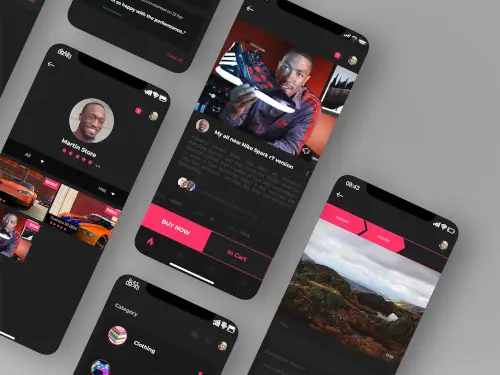
Descubre más
Diseño de app.
USD 100 en 1 día.

Descubre más
Sitio web.
USD 430 en 1 día.

Descubre más
Diseño de sitio web.
USD 140 en 13 días.
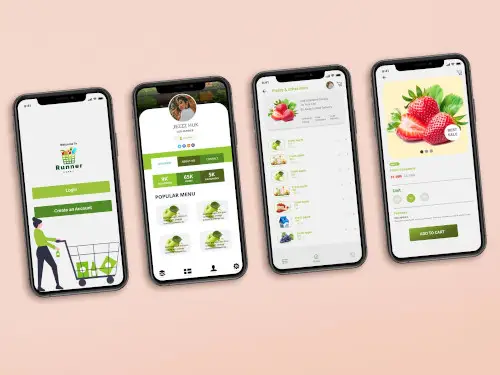
Descubre más
Diseño de app.
USD 200 en 19 días.
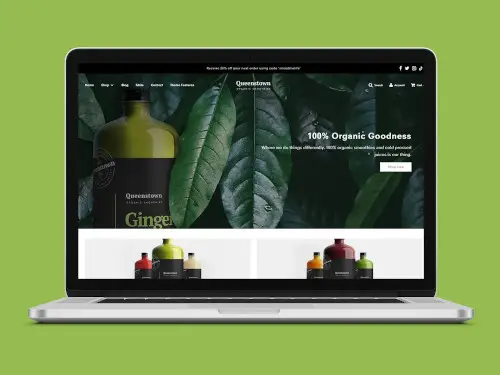
Descubre más
Sitio web.
USD 150 en 13 días.

Descubre más
Sitio web.
USD 240 en 1 día.
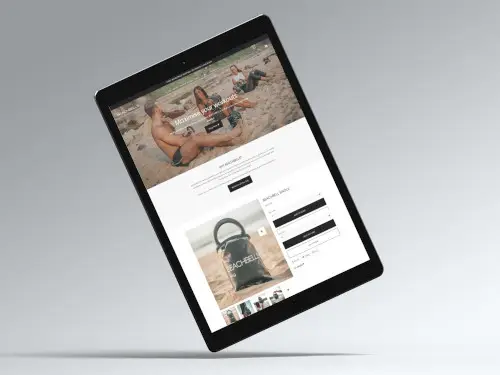
Descubre más
Sitio web.
USD 100 en 1 día.
Como aparece en


El mercado más grande del mundo
Millones de usuarios de pequeñas a grandes empresas, empresarios a startups, utilizan Freelancer para hacer realidad sus ideas
73.0 millones
73.0 millones
Usuarios registrados
23.7 millones
23.7 millones
Total de trabajos publicados
¿Buscas freelancers para otros tipos de trabajo?
¡Gracias! Te hemos enviado un enlace para reclamar tu crédito gratuito.
Algo salió mal al enviar tu correo electrónico. Por favor, intenta de nuevo.



Falló el copiado al portapapeles. Intenta de nuevo después de ajustar tus permisos.
Copiado al portapapeles.
Cargando visualización previa
Permiso concedido para Geolocalización.
Tu sesión de acceso ha expirado y has sido desconectado. Por favor, inica sesión nuevamente.